Privacy Is the Problem This Technology Is Best Placed to Solve
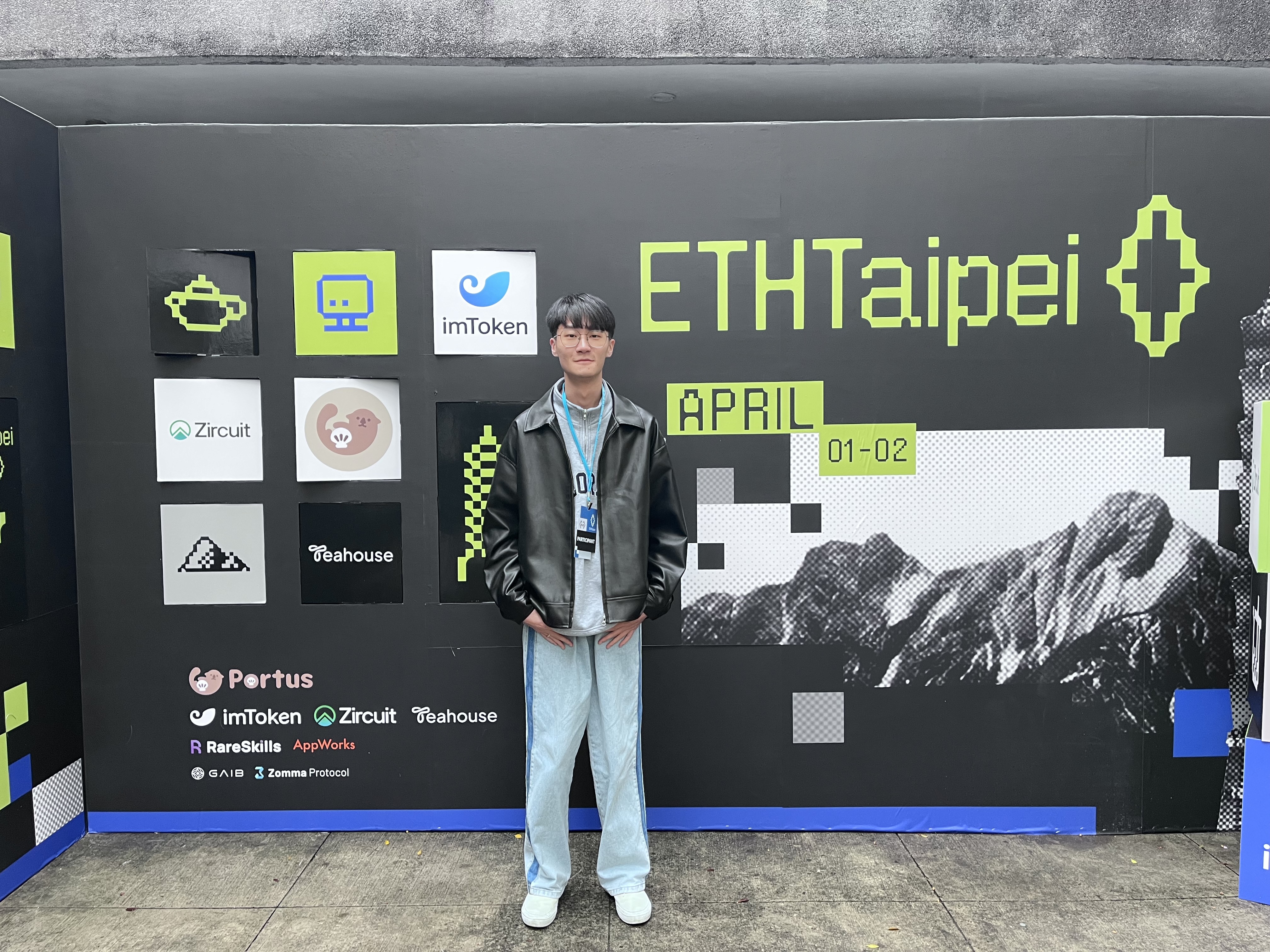
At ETH Taipei 2025 I saw even more significant and exciting progress than last year, and met developers from Europe, the Philippines, and New York. But the applications that stayed with me were the ones aimed at a problem Web2 has never solved.
In today’s Web2 world, privacy breaches are rampant — search “data breach” on Google, and you’ll find endless news stories. Companies, governments, and websites, intentionally or not, leak user data, often without users’ knowledge; the phone list of a fraud group is the best example. This is an urgent issue.
Self was the application that made the case concretely. It leverages cryptographic techniques like Zero Knowledge Proofs to address privacy issues in identity verification: users can verify their identity anywhere without revealing personal documents or information, significantly reducing the risk of data breaches. Integrated with blockchain services, it could further enhance privacy and fit seamlessly into the broader ecosystem. That is the shape of the argument I find persuasive — not “put this on-chain”, but “prove the fact without handing over the document”.
Plumbing Still Decides Whether Anything Above It Works
The other application I keep thinking about, Portus, is much less philosophically interesting and probably more immediately useful. It is a cross-chain token swapping tool that finds the best exchange rates without users spending time comparing options manually, and it supports a massive transaction volume per second. The promise is greater liquidity across chains — a win for the platform, for swap users, and for the various chain communities.
I file this under infrastructure rather than product, and that is the point. Cross-chain and token conversions remain complex, and the user experience is often unfriendly. Until that layer is boring, the layer above it cannot be simple.
Open Source Funding Decides What Gets Built at All
In his speech, Vitalik Buterin emphasized the role of public goods in Ethereum’s success. Ethereum thrives as an open-source project, built through the collective efforts of companies, non-profits, and individual developers. Many of Ethereum’s technologies and projects can be considered “public goods” — resources where one person’s benefit doesn’t diminish others’. The future of Ethereum hinges on this principle.
The open-source world faces a paradox, though: critical open-source projects often struggle to generate revenue, which makes it hard to attract and retain talent. Creating a sustainable funding flywheel — where successful projects fund the next generation — is vital for the ecosystem’s growth. Currently, many blockchain projects remain profit-driven private ventures, while promising open-source initiatives lack sufficient support, and that hinders their growth. This is not a side topic to the two applications above; it bears directly on whether work like theirs can keep going.
The Adoption Gap Is an Application-Layer Gap
Despite blockchain’s progress, adoption remains limited due to technical, regulatory, and application-layer challenges. Most decentralized applications are still focused on gaming and financial transactions, and fail to reach broader audiences, leaving many people unaware of blockchain’s potential.
For technology to go mainstream, it must address pain points simply and quickly, or create compelling, innovative use cases. Currently, blockchain lacks both: there aren’t enough intuitive, pain-point-solving apps, nor groundbreaking new ones. Many efforts focus on upgrading Web2 apps to Web3, which may not be enough. This is an area ripe for further exploration.
What I Take Away
Vitalik opened his speech with a thought-provoking question: “If Ethereum’s price had never skyrocketed, would you still be here?”
It is a good filter, and it is the one I would apply to everything above — and to the consensus, scarcity and utility I later used to examine Bitcoin’s value. Understanding Ethereum’s ethos and vision reveals a value far beyond its market price. As someone who resonates with this vision, I’m committed to staying and contributing to this journey.