A Course Teaches You the Syntax; a Deadline Teaches You the Model
I’d already met Sui Move’s object-centric model once before, building a crowdfunding platform at the Sui Workshop, but you can read about that model and still write contracts as if the chain were a global key-value store. What actually moved my understanding was having to ship something in a day.
The bootcamp itself was tutored by mentors Domenico from Sui Foundation and Andreas from Mysten Labs, focusing on the Sui Move language and key features of Sui, and covering the TypeScript SDK and Sui wallet integration in practice. That gave me the vocabulary. The 24-hour hackathon at the end — building an on-chain chat app and applying everything from the bootcamp and the Sui ecosystem tools — is where the vocabulary had to become decisions.
The Features That Stopped Being Abstract
Our project was an on-chain chat app called Iceb3rg, live at chat-web-olive-iota.vercel.app. Users create accounts with just their Google account and chat in either public or private chatrooms. The platform encrypts messages before storing them on-chain, and we sponsored gas fees for users to improve the experience and lower the barrier to entry.
I primarily worked on the Sui Move smart contracts: user account management, chatroom modules, and message handling. Through that development process I gained deep insights into Sui Move’s unique features — the object-centric model, capabilities, and dynamic fields. Those three stayed abstract until I had to decide, under a clock, how accounts, rooms and messages should actually be represented and owned.
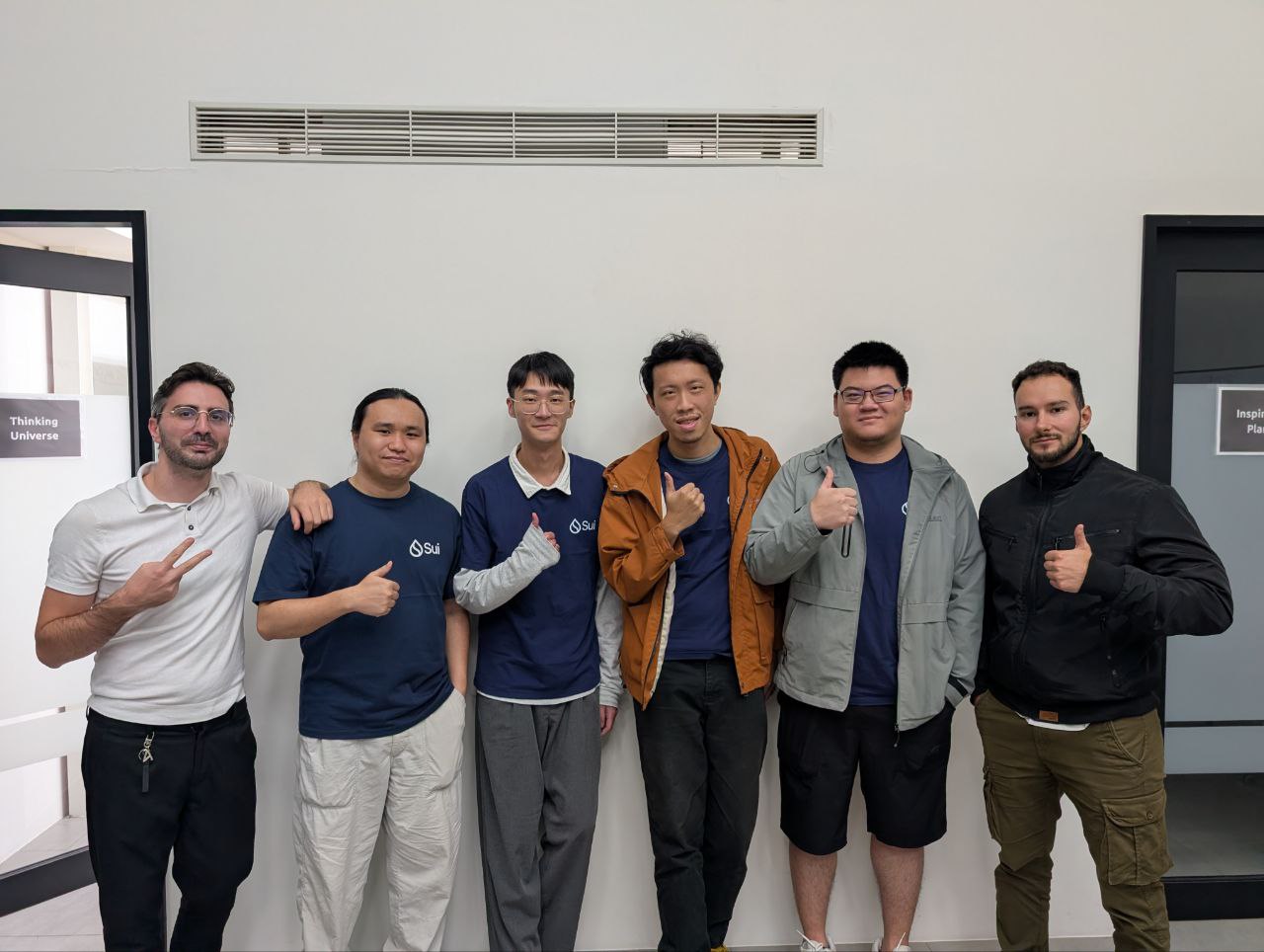
My team won second place in the hackathon. I mention that less as a result than as evidence about the format: the constraint was the teaching device. Collaborating with teammates to deliver a project under time pressure was the hands-on experience the course itself could not have supplied.
What I Take Away
The bootcamp deepened my understanding of the Sui blockchain and the Move language, reinforcing my skills and foundational knowledge. More than that, it turned an interest into a direction — it was instrumental in fostering my passion for the Sui ecosystem and blockchain technology as a whole. I’m continuing to learn and to explore what Sui and blockchain make possible.